
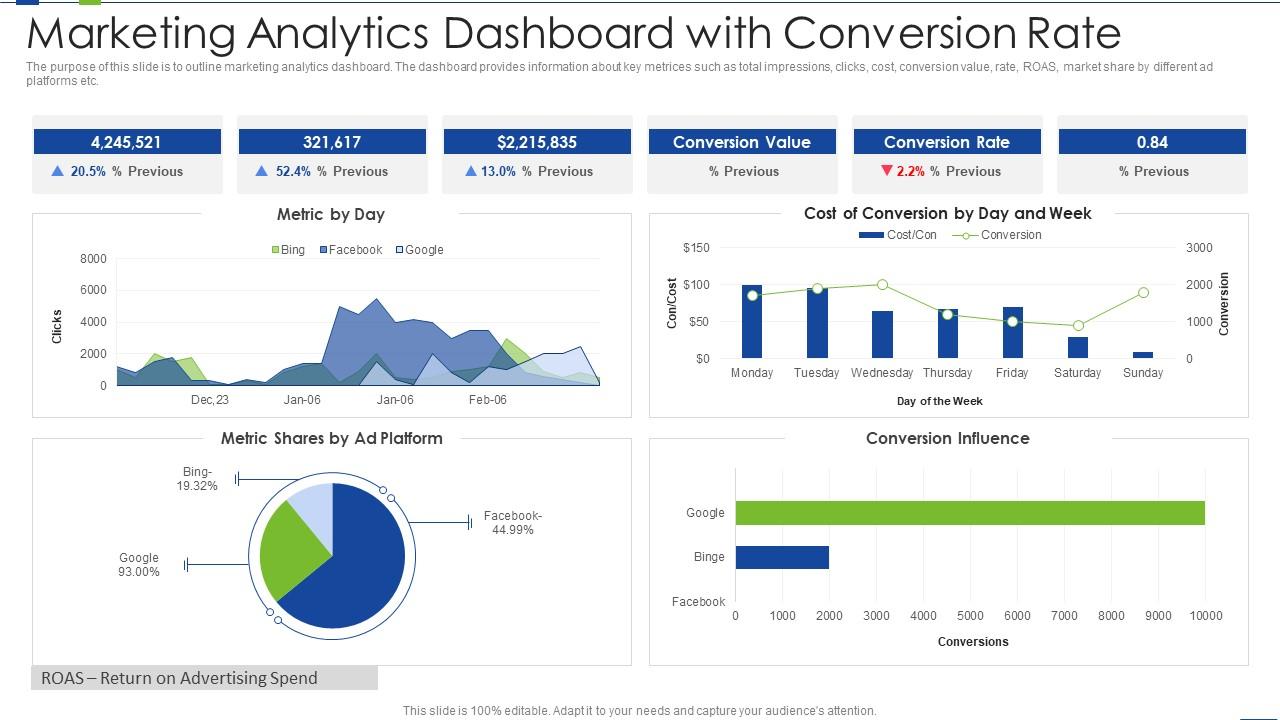
Most businesses are spending money on digital marketing without knowing what’s working and what isn’t. They’re running ads, posting on social media, and updating their website — but without a structured audit, they’re essentially flying blind. A digital marketing audit strips back the noise and reveals exactly where your budget is being wasted and where real growth opportunities are hiding.
“On average, businesses waste 26 cents of every pound spent on digital marketing due to poor tracking, misaligned targeting, and under-optimised campaigns. An audit is the single fastest way to recover that spend and redirect it toward results.”
At Digitaso Media, our free digital marketing audit covers five critical areas: your website, SEO, paid advertising, content and social media, and analytics. In this guide, we’ll walk you through exactly what we examine — and give you the tools to run a version of this audit yourself.
Section 1: Website Audit — Your Digital Shopfront
Your website is the foundation of everything. Before spending a single pound on advertising or SEO, your site must be technically sound, fast, and built to convert visitors into leads. A weak website undermines every other channel in your marketing mix.
When we audit a website, we look at:
- Page speed: Does the site load in under 3 seconds on mobile? Google’s Core Web Vitals are a direct ranking factor.
- Mobile responsiveness: Is every page functional and readable on a phone? Over 60% of web traffic is mobile.
- SSL certificate: Is the site running on HTTPS? Insecure sites are flagged by browsers and penalised in search.
- Conversion rate optimisation (CRO): Are there clear calls to action on every page? Is the user journey intuitive?
- Broken links and 404 errors: Dead links damage user experience and SEO simultaneously.
- Site architecture: Can users (and Google) navigate the site logically within three clicks?
- Duplicate content: Are pages competing with each other for the same keywords?
The most common issues we find at this stage include uncompressed images, no browser caching, multiple render-blocking scripts loading in the header, and themes loaded with unused code. These are all fixable — often within a single day of technical work.
Section 2: SEO Audit — Are You Visible Where It Matters?
Search engine optimisation is a long game, but that doesn’t mean you can’t get quick wins from an audit. Many businesses have significant technical SEO problems that are silently preventing pages from ranking — problems that no amount of content creation will fix until they’re addressed.
Our SEO audit checks on-page elements, technical health, backlink profile, and local SEO signals. Here’s how what we typically find compares to what good looks like:
| What Good Looks Like | What We Often Find |
|---|---|
| Every page has a unique title tag (50–60 chars) | Multiple pages share the same title |
| Meta descriptions on all pages (140–160 chars) | Missing on 30–50% of pages |
| Target keyword in H1, first paragraph, and URL | H1 is the brand name, keyword nowhere to be found |
| Site indexed by Google, no noindex errors | Key pages blocked in robots.txt |
| Google Business Profile verified and complete | GBP unclaimed or showing outdated information |
| Backlinks from relevant industry sites | Zero backlinks except the business’s own domain |
On-page SEO is only half the picture. Off-page authority — the number and quality of websites linking back to yours — is what determines whether you rank above or below your competitors for the same keyword. Most small to mid-sized businesses we audit have never run a structured link-building campaign, and it shows in their rankings.
Section 3: Paid Ads Audit — Where Is Your Budget Actually Going?
Paid advertising — whether Google Ads, Meta, or LinkedIn — should have a measurable return. If you’re spending money on ads without clear ROI data, that money is almost certainly being wasted. Our paid ads audit examines account structure, targeting, bidding strategy, and conversion tracking.
Here are the five most common paid ads problems we uncover during an audit:
- Broad match keywords with no negative keyword lists — your ads are showing for completely irrelevant searches and eating budget.
- No conversion tracking in place — the campaign has no idea which clicks result in enquiries, calls, or purchases.
- Sending all traffic to the homepage — instead of dedicated landing pages matched to the ad’s promise.
- Ad copy that doesn’t match user intent — generic headlines with no specific offer, differentiator, or call to action.
- No remarketing campaigns — 97% of first-time visitors don’t convert; remarketing is how you bring them back.
Paid advertising audits often reveal the fastest wins — switching match types, adding negative keywords, and setting up proper conversion tracking can reduce wasted spend by 30–40% within the first month alone.
Section 4: Content and Social Media Audit — Quality Over Quantity
Content and social media are long-term brand-building tools — but only if the content is purposeful, consistent, and aligned with what your target audience is actually searching for and talking about. Many businesses produce content for the sake of it, without a strategy connecting posts to business outcomes.
Our content and social audit evaluates:
- Blog quality and keyword alignment: Are existing posts targeting realistic, commercially relevant keywords?
- Content gaps: Which questions are your potential customers asking that you haven’t answered yet?
- Evergreen vs. topical content ratio: A healthy content library has both — timeless guides that rank for years and timely pieces that capture trending searches.
- Social media consistency: Are profiles active, on-brand, and posting with a clear content calendar?
- Engagement rates by platform: Which platforms are actually generating interaction, DMs, or click-throughs?
- Profile completeness: Are bios, links, contact details, and branding consistent across all platforms?
- Content repurposing: Is a single piece of content being maximised across multiple formats and channels?
The single most common content finding: businesses have a blog with 30+ posts, but none of them rank because they were written without keyword research, lack internal links, and haven’t been updated since they were published. Content that doesn’t rank is invisible — and invisible content has no commercial value.
Section 5: Analytics Audit — You Can’t Optimise What You Don’t Measure
Even if every other part of your digital marketing is working well, without proper analytics you’ll never know it. Worse, you won’t be able to prove ROI to stakeholders or make data-driven decisions about where to invest next. The analytics audit is often the most revealing section of the entire review.
We check the following in sequence:
- GA4 installation: Is Google Analytics 4 installed and firing correctly on every page, including thank-you pages and form confirmations?
- Goal and conversion event setup: Are enquiry form submissions, phone clicks, email clicks, and purchase completions tracked as conversion events?
- Google Search Console connection: Is the site verified in GSC and are impressions, clicks, and average position being monitored?
- Google Ads conversion import: If running paid search, are conversion events imported from GA4 into Google Ads so the algorithm can optimise for real business outcomes?
- UTM parameter discipline: Are all campaign links tagged with source, medium, and campaign UTMs so traffic attribution is accurate?
- Data retention settings: Is GA4 data retention set to 14 months (the maximum) rather than the default 2 months?
- Spam and bot filtering: Is referral spam excluded from reports so data accurately reflects real human traffic?
Your DIY Digital Marketing Audit Checklist
Use this checklist to run your own audit before our team takes a deeper look. Work through each category and note any items that need attention.
Website
- ☐ Site loads in under 3 seconds on mobile (test at pagespeed.web.dev)
- ☐ Site is running on HTTPS (padlock icon in browser)
- ☐ Mobile layout displays correctly on a phone
- ☐ Every page has a clear call to action above the fold
- ☐ No broken links (test at brokenlinkcheck.com)
- ☐ Contact form submits and sends confirmation
SEO
- ☐ Every page has a unique title tag under 60 characters
- ☐ Meta descriptions written for all key pages
- ☐ Primary keyword appears in H1 and first paragraph
- ☐ Site verified in Google Search Console
- ☐ No pages accidentally set to noindex
- ☐ Google Business Profile claimed, verified, and complete
Paid Advertising
- ☐ Conversion tracking is live and recording real conversions
- ☐ Negative keyword list has been built and reviewed
- ☐ Ads link to dedicated landing pages, not the homepage
- ☐ Ad copy matches the search intent of target keywords
- ☐ Remarketing audiences are set up
Content and Social
- ☐ Blog posts are keyword-targeted (not just topic-based)
- ☐ Social profiles are consistent and up to date
- ☐ Content is published on a regular schedule
- ☐ At least one piece of content published per week
- ☐ Content includes internal links to service pages
Analytics
- ☐ GA4 installed and tracking all pages
- ☐ Key conversion events set up (form submit, phone click, purchase)
- ☐ Google Search Console connected to GA4
- ☐ Data retention set to 14 months
- ☐ Campaign UTM parameters in use for all paid and email traffic
What Happens After the Audit?
Running through this checklist is a strong start. But a self-audit only reveals what you know to look for. Our team goes several layers deeper — crawling your entire site, pulling historical data from Search Console, auditing live ad accounts, and benchmarking your performance against direct competitors in your market.
The result is a clear, prioritised action plan — not a report full of jargon, but a practical document that tells you exactly what to fix, in what order, and what impact each fix is expected to deliver.
There is no commitment required to receive the audit. We do it because we believe that when you see the size of the opportunity, working with us becomes an obvious decision.